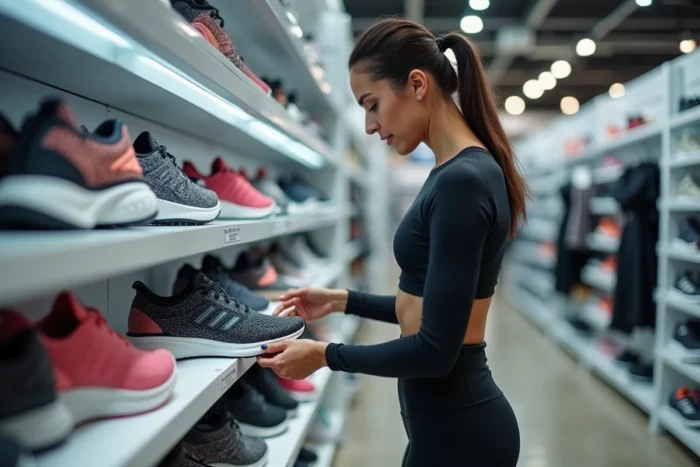
Choosing the right sports equipment for your practice involves comparing criteria that are rarely considered side by side: the type of surface, the versatility of the fabric, the level of support of the shoes, and the durability of the materials. Rather than providing a generic list of products, this article measures the concrete differences between indoor and outdoor equipment in the areas that weigh most heavily on performance and comfort.
Indoor and outdoor sports shoes: comparison of technical criteria
Shoes concentrate the majority of functional differences between indoor training and outdoor outings. A poor choice in this area can lead to joint injuries or loss of grip, well before any other equipment.
| Criterion | Indoor shoes (fitness, weightlifting) | Outdoor shoes (running, trail) |
|---|---|---|
| Sole | Flat and rigid for ground stability | Enhanced cushioning, studs or grippy rubber |
| Drop (heel-to-toe height difference) | Low to none for strength training | Variable depending on distance and terrain |
| Lateral support | Moderate (linear movements) | Enhanced (uneven terrain, multidirectional support) |
| Breathability | Light mesh, priority on ventilation | Water-repellent or waterproof membrane depending on the season |
| Durability | Regular wear on smooth surfaces | Rapid abrasion on asphalt or rocky trails |
The key takeaway: a shoe designed for indoor use does not protect on a trail, and vice versa. So-called versatile models always sacrifice one of these criteria. Specialized brands like profilsport.fr allow filtering references by type of practice and foot morphology, which reduces the risk of error in this area.
Technical clothing: how training context changes things
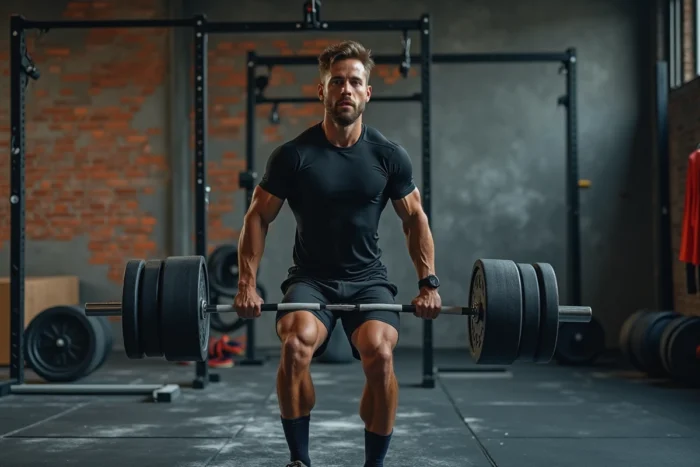
Indoors, the temperature remains stable and humidity comes solely from sweat. The fabric must primarily wick away moisture quickly. A lightweight synthetic t-shirt and a short pair of shorts are sufficient for most fitness or weightlifting sessions.
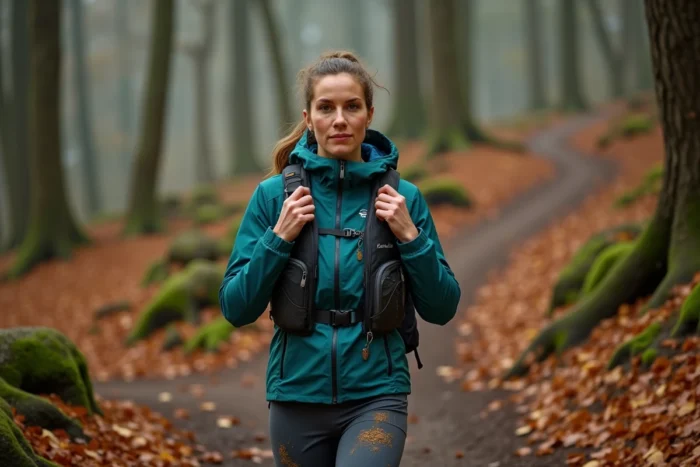
Outdoors, the constraints multiply. Wind, rain, and temperature variations require a layering system. The first layer (against the skin) wicks away moisture. The second insulates. The third protects against external elements.
Fabrics to prioritize based on practice
- Indoor fitness: recycled polyester or quick-drying polyamide, lightweight fabric, flat seams to minimize friction during repetitive movements
- Road running: breathable fabric with reflective strips, fitted cut to reduce wind resistance
- Hiking or trail: water-repellent softshell for the outer layer, merino wool for the base layer (thermal regulation and odor-resistant properties)
- Winter outdoor training: windproof and water-repellent membrane, ventilation zippers under the arms to adjust airflow during exertion
Eco-designed textiles made from recycled or bio-sourced materials are gaining ground in the performance shoe and clothing market, particularly in France. This trend is not limited to a marketing argument: recycled fibers now achieve levels of breathability and durability comparable to traditional synthetics.
Weightlifting and fitness accessories: gym or home
The recent trend shows a shift from large home gym equipment to performance accessories that complement gym use. Rather than a complete weight bench at home, practitioners invest in targeted equipment that they can transport to the gym.
A typical training bag now contains a lifting belt, elastic bands, pulling straps, and sometimes a motion sensor. This equipment is lightweight, costs less than a fixed machine, and adapts to the machines available on-site.
Bars, dumbbells, and bench: when home investment remains relevant
For those who practice weightlifting at home, the trio of bars, adjustable dumbbells, and an incline bench covers the majority of basic exercises. However, this type of setup only makes sense if the available space allows for safe working, with sufficient clearance and a stable floor.
An adjustable bench with an incline backrest replaces several fixed machines and offers a good balance of space and versatility. Combined with a set of modular dumbbells, it allows for upper body, back, and leg workouts without multiplying machines.
Outdoor running and cycling equipment: the factors that separate amateurs from regulars
In running, training frequency determines the level of equipment needed. An occasional runner can get by with a properly cushioned pair of shoes and a breathable t-shirt. A regular runner needs two pairs in rotation (to allow the cushioning foam to recover between outings) and clothing suitable for each season.
Cycling follows a similar logic. Shorts and cleated shoes transform pedaling efficiency much more than a frame change on an entry-level bike. Beginners often underestimate the impact of body contact (saddle, gloves, shoes) compared to mechanical components.
Selection criteria for versatile outdoor equipment
- Prioritize equipment with real dual-use (a running windbreaker that can be used for light hiking) rather than products labeled “multisport” without clear technical specifications
- Check the fabric’s compatibility with local weather conditions: a water-repellent garment is sufficient for a Breton drizzle, a waterproof membrane is necessary in the mountains
- For connected accessories (watches, sensors), ensure that battery life covers the actual duration of planned outings
The choice of sports equipment rarely boils down to a question of overall budget. Focusing investment on shoes and body contact produces a measurable effect on comfort and injury prevention, whether the practice takes place indoors or on a trail. The rest of the equipment can gradually be upgraded over the months of training.