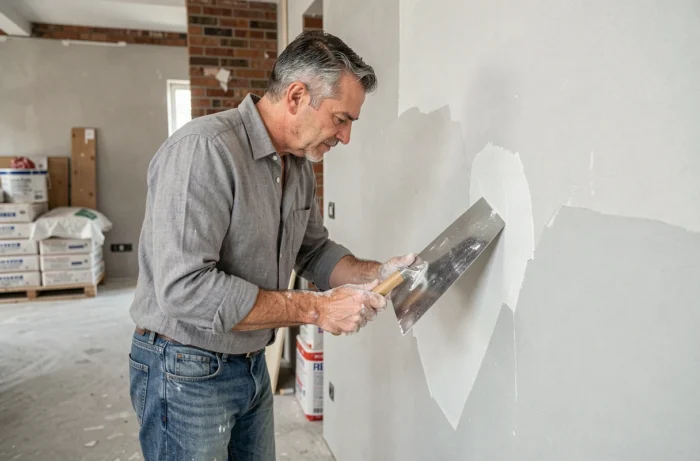
A 1970s apartment with single-glazed windows, one electric convector heater per room and an original bathroom: we all know this type of property. Renovating a home in these conditions means making choices, because budgets are never unlimited and some improvements deliver far more than others, both in comfort and property value.
Condominiums and renovations: setting priorities when you’re not the only decision-maker
When you own a condominium, some of the most cost-effective improvements are beyond your control. Insulating the façade, replacing street-facing windows or repairing the roof all require a vote at the general meeting. A landlord who needs to improve their property’s energy rating to keep renting it out may be stuck if the condominium association rejects or postpones this work.
The strategy is to separate work within your unit from shared building work and move ahead with what you can control. Insulating the floor above an unheated space, replacing the heating system within your unit or installing an individual mechanical ventilation system do not require the property manager’s approval.
To identify exactly which category each improvement falls into, you can refer to home improvement projects with Guide Immo, which outlines the work possible for different property layouts.
At the same time, it’s best to put energy-efficient renovations on the agenda for the next general meeting, even if the outcome of the vote is uncertain. The meeting minutes can serve as evidence of good faith to a tenant or prospective buyer.
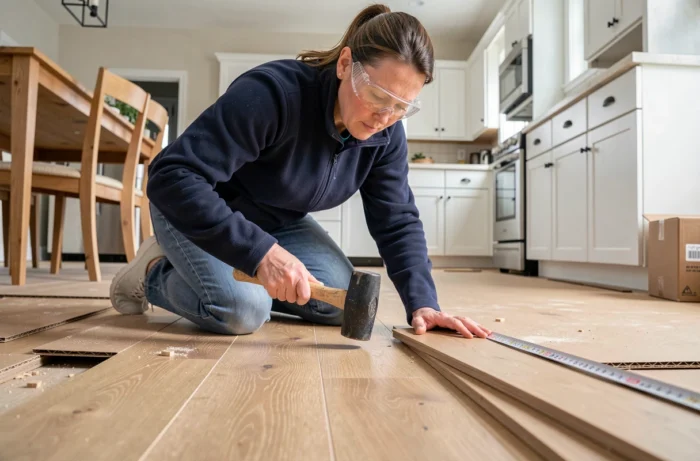
Insulation and heating: the order of work makes all the difference
We regularly see homeowners replace their boiler before improving the insulation. The result: an oversized heating system for a home that will need far less energy once it’s insulated. Insulate first, then upgrade the heating—that’s the logical order.
Where to start with insulation
Heat loss is not evenly distributed. Roofs and attics account for the largest share, followed by walls and windows. In practice, tackle them in this order:
- Attic and roof: the least expensive work per square metre, with a measurable impact on energy bills from the very first winter
- Internal wall insulation (in a condominium, external insulation depends on a collective vote): reduces cold-wall sensations and condensation problems
- Double-glazed windows: improve both thermal comfort and sound insulation, a major selling point in urban areas
Choosing heating to suit an insulated home
Once the building envelope has been upgraded, you can size the new system. An air-to-water heat pump or a pellet stove will suit most homes. One important point to watch is homes connected to the gas network: keeping gas heating may make a project ineligible for MaPrimeRénov’ funding for major renovations of detached houses. This restriction has a direct impact on the financing plan.
Kitchens and bathrooms: the rooms that can make or break a sale
During a viewing, buyers mentally calculate the cost of any remaining work. A dated kitchen or a bathroom with chipped tiles immediately knocks down the price in negotiations. Conversely, renovating these two rooms often recoups a good portion of the investment in resale value.
You don’t need marble. A new worktop, updated cabinet fronts and modern taps are enough to transform the look of a kitchen. In the bathroom, replacing a bathtub with a walk-in shower meets both market expectations and accessibility requirements.
The classic pitfall is overspending on these rooms at the expense of the building envelope. A kitchen costing tens of thousands of euros won’t make up for the energy-efficiency work a buyer will have to undertake in a home with an F energy rating.

Energy ratings and financial assistance: check before signing a quote
Before starting work, two checks are essential. The first concerns the energy performance certificate. For some electrically heated homes, the energy rating may have changed without any work being done, following adjustments to the calculation method. Spending money to move from G to E when the property has already been reclassified would be a complete waste.
The second check concerns financing. Being awarded a grant does not guarantee that it will actually be paid. Approved MaPrimeRénov’ applications can run into difficulties if the conditions change between signing the quote and completing the work. Waiting for written confirmation before committing to a contractor reduces the risk. As a fallback, an interest-free eco-loan, energy-saving certificates and local grants can supplement or replace the national scheme.
Single-measure renovations losing ground
Several standalone improvements (insulation alone, ventilation alone) are no longer covered under the single-measure scheme in mainland France. The trend is towards major renovations, which cost more but receive better subsidies. For homeowners on a tight budget, a project’s cost-effectiveness depends on the actual amount of assistance received, not the figure shown on an online calculator.
- Check the current energy rating and its date, taking any changes to the calculation method into account
- Request written confirmation that the grant has been awarded before signing the work quote
- Have a backup financing plan (interest-free eco-loan, energy-saving certificates, regional grants) in case the main grant is delayed or reduced
Renovating a home means balancing improvements that make everyday life better against those that protect the property’s long-term value. Insulation and heating are the foundation. Kitchens and bathrooms can make the difference at resale. And financing needs just as much careful planning as the work itself, with every grant checked line by line before you commit.